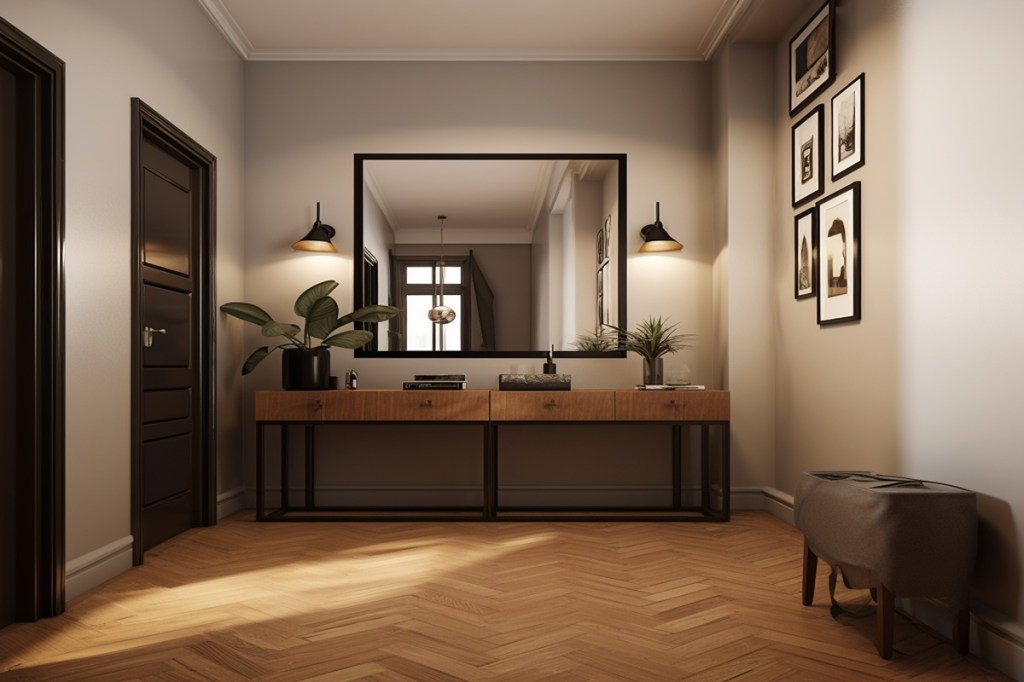
Have you ever walked into a room and felt instantly captivated by its spaciousness and light? What if the secret wasn’t expensive renovations but something as simple as a well-placed mirror? Could the right mirror placement be the missing piece in your interior design puzzle?
Mirrors are the unsung heroes of interior design, offering far more than just a quick glance at your reflection. They’re powerful tools that can completely transform how a space looks and feels. From creating the illusion of doubled square footage to bouncing natural light into the darkest corners, mirrors work their magic in ways that often surprise even seasoned decorators.
Throughout this guide, we’ll explore the art and science of mirror placement in every room of your home. You’ll discover creative techniques that go beyond the basic vanity setup, learn how to avoid common placement mistakes, and find budget-friendly solutions that won’t break the bank. Whether you’re working with a compact flat or a sprawling house, these tips will help you harness the transformative power of mirrors to create spaces that feel larger, brighter, and more inviting.
Understanding the Power of Mirrors in Your Home
How Mirrors Create the Illusion of Space
The magic of mirrors lies in their ability to trick our eyes into seeing beyond physical boundaries. When strategically placed, a mirror can make a cramped room feel twice its actual size. This optical illusion works because our brains interpret the reflection as an extension of the room itself.
Think about those times you’ve been in a restaurant or boutique that felt surprisingly spacious. Chances are, they’ve employed the classic designer trick of using large mirrors to open up the space. The key is positioning mirrors to reflect the most appealing aspects of your room – perhaps a beautiful window view or an attractive piece of furniture.
The Psychology Behind Mirror Placement
There’s more to mirror placement than meets the eye. The positioning of mirrors in your home can actually influence your mood and energy levels. Feng shui practitioners have long understood this connection, but you don’t need to be an expert to benefit from thoughtful mirror placement.
Mirrors placed at eye level in entryways create a welcoming atmosphere and give you that final appearance check before heading out. In living spaces, mirrors positioned to reflect nature views or artwork can create a sense of calm and connection to beauty. However, be mindful of what your mirrors reflect – nobody wants to see a cluttered corner or an uninspiring wall multiplied.
Natural Light Enhancement Through Strategic Positioning
Natural light is like gold in interior design, and mirrors are your secret weapon for spreading that wealth throughout your home. By positioning mirrors to catch and reflect sunlight, you can brighten dark corners and reduce your reliance on artificial lighting during the day.
The most effective technique involves placing mirrors perpendicular to windows rather than directly opposite them. This angle captures light and disperses it throughout the room without creating glare. For north-facing rooms that receive limited direct sunlight, a large mirror on the adjacent wall can work wonders in brightening the space.
Room-by-Room Mirror Placement Guide
- Living Room: Creating Focal Points and Depth : Your living room is where mirrors can truly shine as both functional and decorative elements. A large statement mirror above the sofa or fireplace instantly becomes a focal point, drawing the eye upward and making ceilings appear higher. Choose a style that complements your décor – ornate frames for traditional spaces or sleek, frameless designs for modern aesthetics.
- Bedroom: Balancing Functionality and Feng Shui: Bedroom mirror placement requires a delicate balance between practicality and creating a restful environment. While full-length mirrors are essential for getting dressed, their placement can affect your sleep quality and overall bedroom ambience. The ideal location is inside wardrobe doors or on a wall that doesn’t directly face the bed.
- Bathroom: Beyond the Vanity Mirror: While the vanity mirror is a bathroom essential, thinking beyond this basic setup can transform your bathroom into a spa-like retreat. Consider installing a full-length mirror on the back of the bathroom door or on a wall opposite the vanity. This addition is perfect for checking your full outfit and makes the space feel significantly larger.

Creative Mirror Placement
- The Gallery Wall Approach: Mixing Mirrors with Art: Creating a gallery wall that incorporates mirrors alongside artwork is an art form in itself. This approach allows you to build a personalised display that reflects light while showcasing your style. Start with your largest piece – whether mirror or artwork – as an anchor, then build around it with complementary pieces.
- Floor-to-Ceiling Mirrors: When and How to Use Them: Floor-to-ceiling mirrors make a bold statement and can dramatically alter a room’s proportions. These mirrors work brilliantly in small spaces like studio flats or compact bedrooms, where they can virtually double the visual square footage. However, they require careful consideration to avoid overwhelming the space.
- Unexpected Places Ceilings, Corners, and Behind Furniture: Think beyond walls when considering mirror placement. Ceiling mirrors, while requiring careful installation, can create stunning effects in powder rooms or above dining tables. They reflect light downward, creating an intimate glow perfect for evening entertaining. Just ensure they’re securely mounted and consider tinted or antiqued finishes to avoid harsh reflections.
- Outdoor Spaces for Garden and Patio Mirror Ideas: Weather-resistant mirrors can work magic in outdoor spaces, making small courtyards feel like secret gardens. Position them to reflect your best plantings or to create the illusion of depth in tight spaces. A mirror at the end of a garden path suggests the space continues beyond its boundaries.
Your Mirror Transformation Journey
We’ve explored how mirrors can revolutionise your living spaces, from creating illusions of grandeur in compact flats to adding light and life to forgotten corners. The journey through each room has revealed that mirror placement is both an art and a science, where understanding basic principles allows for creative expression.
The beauty of working with mirrors lies in their versatility and immediate impact. Whether you’re drawn to vintage finds that tell stories or sleek contemporary designs that disappear into walls, there’s a mirror solution for every style and budget. The techniques we’ve discussed – from gallery walls to strategic positioning for natural light – are tools in your design toolkit, ready to be adapted to your unique spaces.
 Modern Aussi Designs
Leave a comment