
Designing and constructing a medical practice is a major investment — not only financially, but also in time, effort, and reputation. Whether you’re setting up a new clinic or renovating an existing one, your medical fitout plays a crucial role in defining how your space functions, looks, and feels.
A well-executed fitout enhances efficiency, ensures compliance, and creates a comfortable environment for patients and staff. However, even small mistakes during the process can lead to costly setbacks, operational issues, or non-compliance with Australian healthcare standards.
In this guide, we’ll explore the most common mistakes to avoid during medical fitouts — and how you can ensure a smooth, successful project from start to finish.
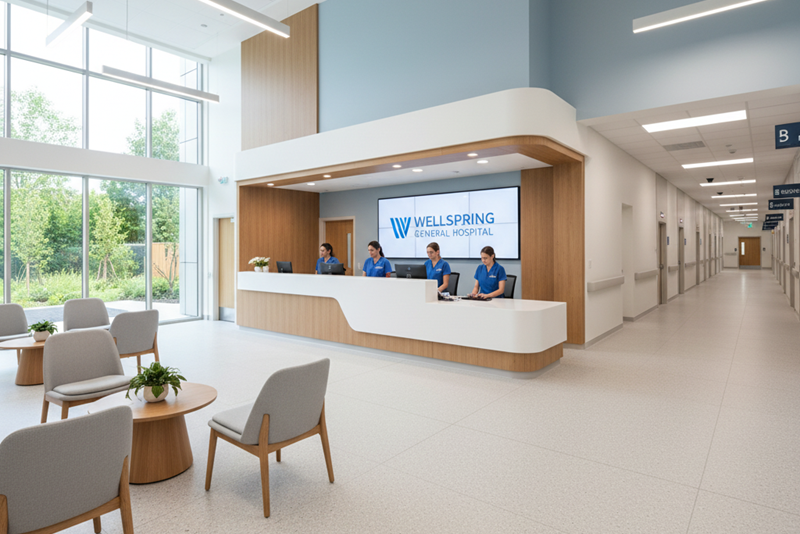
Failing to Plan the Layout Properly
One of the biggest and most common errors in medical fitouts is inadequate planning of the clinic layout. A poorly designed floor plan can lead to inefficient workflows, crowded waiting areas, and difficulty navigating between rooms.
Every medical facility has unique operational needs. A general practice will require a different layout compared to a dental clinic, physiotherapy centre, or radiology suite.
How to Avoid It:
- Map out patient and staff flow early in the design process. Consider how patients enter, wait, and move through the clinic.
- Ensure clinical and non-clinical areas are clearly separated to maintain privacy and hygiene.
- Engage professional designers experienced in medical fitouts who understand how to optimise space for functionality and compliance.Ignoring Healthcare Compliance and Building Regulations
Underestimating the Budget
Many medical professionals start their fitout projects with an optimistic budget — only to face rising costs due to design changes, compliance requirements, or unforeseen site conditions.
Underestimating your budget can force you to make compromises on quality or functionality later in the project, affecting both aesthetics and long-term durability.
How to Avoid It:
- Get a detailed cost estimate early, including design fees, materials, permits, construction, and contingency funds.
- Always allocate 10–15% extra for unexpected expenses.
- Be transparent with your fitout contractor about your budget constraints so they can recommend realistic solutions.
Remember, a high-quality medical fitout is a long-term investment Medical fitouts Nunawading not an expense to cut corners on.
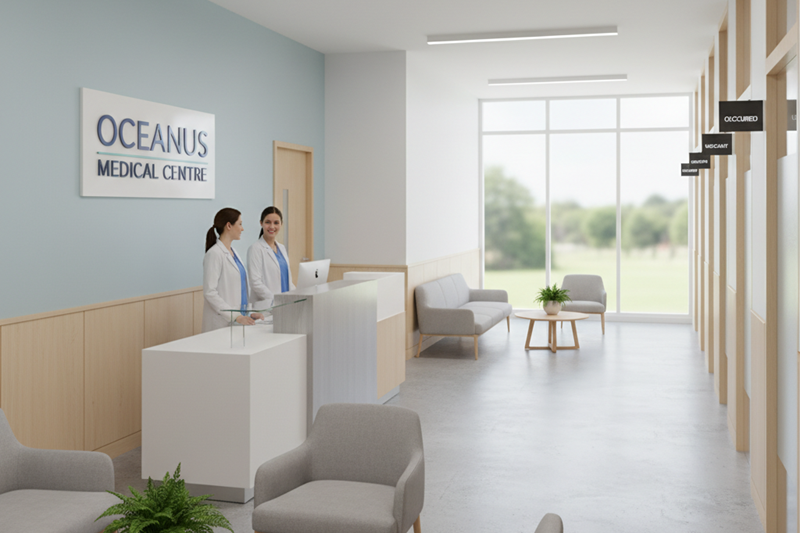
Choosing the Wrong Materials and Finishes
In a healthcare environment, materials must be durable, easy to clean, and resistant to moisture, stains, and bacteria. Many clinics make the mistake of selecting materials based purely on appearance rather than functionality.
For instance, porous surfaces or soft flooring might look stylish but can trap germs or deteriorate quickly under frequent cleaning.
How to Avoid It:
- Use medical-grade materials that meet hygiene and safety standards.
- Choose vinyl flooring, stainless steel benches, and antimicrobial coatings where appropriate.
- Consult your fitout expert to balance aesthetics with practicality and compliance.
The right materials not only enhance your clinic’s appearance but also reduce maintenance costs and improve infection control.
Overlooking Lighting and Ventilation
Lighting and ventilation are often afterthoughts — yet they directly affect comfort, functionality, and safety. Poor lighting can lead to eye strain for staff and discomfort for patients. Inadequate ventilation can result in stale air, odours, and reduced air quality.
How to Avoid It:
- Incorporate a mix of natural and artificial lighting. Use soft ambient lighting in waiting areas and task lighting in consultation or treatment rooms.
- Install energy-efficient LEDs that reduce glare and mimic natural daylight.
- Ensure proper air circulation through HVAC systems to maintain clean, fresh air and prevent cross-contamination.
A well-ventilated and brightly lit medical space promotes wellness and professionalism — key goals in every medical fitout.
Neglecting Accessibility Needs
Accessibility is a legal and ethical requirement for all healthcare spaces in Australia. Unfortunately, some clinics overlook key accessibility features during the design phase, making it difficult for patients with mobility challenges to navigate the facility.
How to Avoid It:
- Follow Australian Standard AS1428 for access and mobility design.
- Include wheelchair-friendly entrances, wide corridors, non-slip flooring, and accessible toilets.
- Consider signage and reception desk heights suitable for all patients.
An inclusive medical fitout demonstrates care and professionalism while ensuring compliance with disability standards.
Forgetting About Future Growth
Your clinic today might be small, but what about five years from now? A common mistake is designing a space that doesn’t allow for expansion or technological upgrades.
As patient demand grows or new equipment is introduced, lack of flexibility can limit your operations and force costly renovations later.
How to Avoid It:
- Plan your medical fitout with scalability in mind.
- Include provisions for extra rooms, modular furniture, and adaptable layouts.
- Pre-wire your facility for future technology upgrades like digital systems or telehealth integration.
Forward-thinking design ensures your practice evolves smoothly with changing needs.
Attempting DIY or Hiring Inexperienced Contractors
Medical fitouts are highly specialised projects that require knowledge of building codes, healthcare compliance, and patient-centric design. Attempting a DIY fitout or hiring a general commercial builder without medical experience often leads to delays, compliance issues, or design flaws.
How to Avoid It:
- Partner with a specialist medical fitout company that understands healthcare requirements.
- Ask for references, view previous projects, and ensure the team is licensed and insured.
- Choose professionals who handle the full process — design, approvals, construction, and handover — for seamless delivery.
Experienced professionals make your medical fitout stress-free, compliant, and built to the highest standards.
Overcrowding the Space with Furniture and Equipment
Some clinics try to fit too much into limited areas — extra chairs, unnecessary décor, or oversized furniture. This creates clutter, restricts movement, and compromises accessibility.
How to Avoid It:
- Prioritise minimalism and functionality.
- Select compact, ergonomic furniture that supports workflow and patient comfort.
- Maintain clear pathways and uncluttered surfaces for safety and hygiene.
Less is often more in healthcare design — clean, open spaces communicate professionalism and calm.
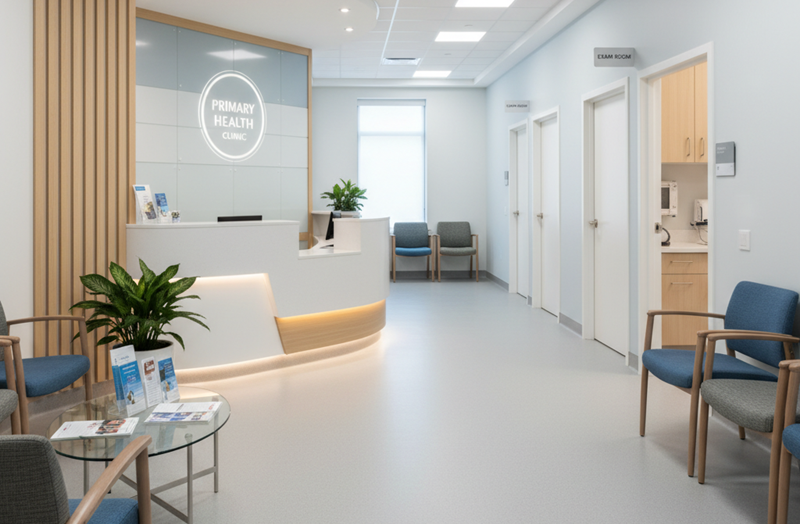
Skipping the Final Inspection and Quality Check
Even the most well-planned medical fitout can suffer if the final quality inspection is rushed or overlooked. Small issues like uneven flooring, misaligned cabinetry, or faulty electrical fittings can affect day-to-day operations and safety.
How to Avoid It:
- Conduct a thorough final walkthrough with your contractor before handover.
- Check all fixtures, finishes, and equipment installations.
- Request a maintenance guide and warranty documentation for long-term peace of mind.
Attention to detail at the final stage ensures your fitout is complete, compliant, and ready for patients.
Final Thoughts
A successful medical fitout is about more than just construction — it’s about creating a space that supports healing, efficiency, and compliance. By avoiding the common mistakes above, you can ensure your clinic is designed for both present and future success.
If you’re planning a new clinic or renovating your existing practice, our experienced team specialises in medical fitouts across Australia. We manage every step — from design to approvals and construction — ensuring a compliant, functional, and beautifully finished space.
 Modern Aussi Designs
Leave a comment