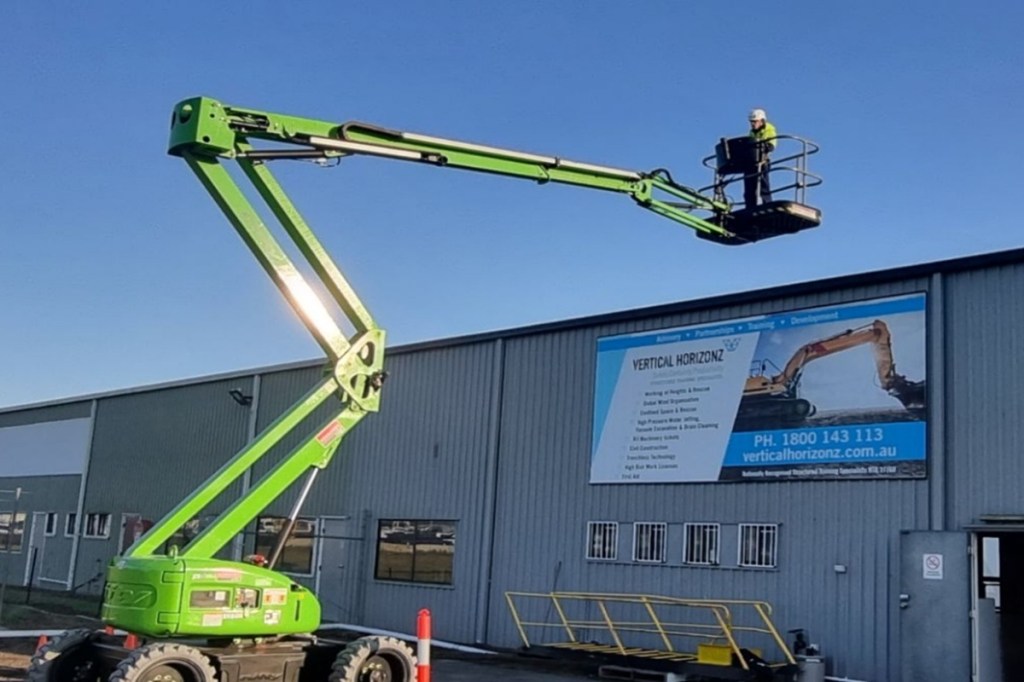
Ever wondered why some workplace accidents make headlines whilst others never happen at all? What separates a safe construction site from one that’s an accident waiting to happen? And why do certain workers command higher wages simply because they hold specific certifications?
The answer often comes down to proper training and certification—specifically, High Risk Work Licence training. This comprehensive guide breaks down everything you need to know about obtaining your HRWL in Australia, from understanding what qualifies as high-risk work to choosing the right training provider. Whether you’re starting your career in construction, mining, or manufacturing, or looking to advance your current position, this article will help you navigate the certification process.
Who Needs High Risk Work Licence Training?
Industries That Require HRWL Certification
Construction remains the largest employer of HRWL holders, with virtually every major project requiring workers with various certifications. From residential builds to massive infrastructure projects, licensed operators keep sites running safely and efficiently. Manufacturing facilities also rely heavily on licensed forklift operators, riggers, and crane operators to manage their production lines and warehouses.
The mining and resources sector demands the highest concentration of multi-licensed workers, often in remote locations where versatility is crucial. Ports and shipping terminals require specific combinations of licences for loading and unloading cargo vessels. Even industries you might not expect—like entertainment and events—need licensed riggers for stage construction and equipment installation.
Career Opportunities with High Risk Work Licences
Holding an HRWL immediately expands your job prospects and earning potential. Entry-level positions for newly licensed forklift operators typically start around $30-35 per hour, significantly higher than general labourers. Experienced crane operators can earn well over $100,000 annually, particularly in mining or major construction projects.
Beyond immediate financial benefits, HRWLs open pathways to supervisory and management positions. Many project managers and safety officers started their careers as licensed operators, using their hands-on experience to build successful careers. Some licensed workers eventually start their own contracting businesses, leveraging their expertise and certifications.
Can You Work Without a High Risk Work Licence Training?
Simply put—no, you cannot legally perform high-risk work without the appropriate licence. Attempting to operate equipment or perform tasks requiring an HRWL without proper certification exposes you to serious legal consequences. Individual fines can reach tens of thousands of dollars, and you could face criminal charges if someone gets injured.
Employers who allow unlicensed workers to perform high-risk tasks face even steeper penalties, including potential imprisonment for company directors. This strict enforcement means reputable companies simply won’t hire unlicensed workers for these roles, regardless of previous experience or claimed competence.
The High Risk Work Licence Training Course: What to Expect
The structure balances classroom learning with hands-on practice. You’ll typically spend mornings covering theory—learning about legislation, hazard identification, and equipment specifications. Afternoons focus on practical skills, where you’ll operate actual equipment under close supervision. This blend helps cement theoretical knowledge through real-world application.
Progressive learning is key to these courses. You’ll start with basic concepts and simple operations, gradually building to more complex scenarios. Instructors understand that students come from various backgrounds, so they tailor their teaching pace to help everyone succeed.
Critical Safety Awareness and Hazard Identification
HRWL training fundamentally changes how you view workplace safety. You’ll develop an almost automatic scanning pattern, constantly assessing your environment for potential dangers. This heightened awareness extends beyond just operating equipment—you’ll notice unsafe practices others might miss, making you a valuable safety advocate on any worksite.
You’ll learn to categorise hazards systematically: mechanical dangers like moving parts and crushing points, environmental risks like weather conditions and ground stability, and human factors like fatigue and communication breakdowns. This structured approach to hazard identification becomes second nature, helping you prevent accidents before they happen.
Emergency Response Procedures
When things go wrong—and occasionally they will—your training ensures you respond effectively rather than panic. You’ll practise emergency stops, learning to shut down equipment safely even under pressure. Communication protocols during emergencies become instinctive, so you can coordinate with emergency services and site personnel efficiently.
Specific emergency scenarios get detailed attention. What do you do if a crane loses power mid-lift? How do you respond to a forklift tip-over? These situations are rehearsed until your responses become automatic. This preparation could save lives—possibly your own.
Communication and Teamwork in High-Risk Environments
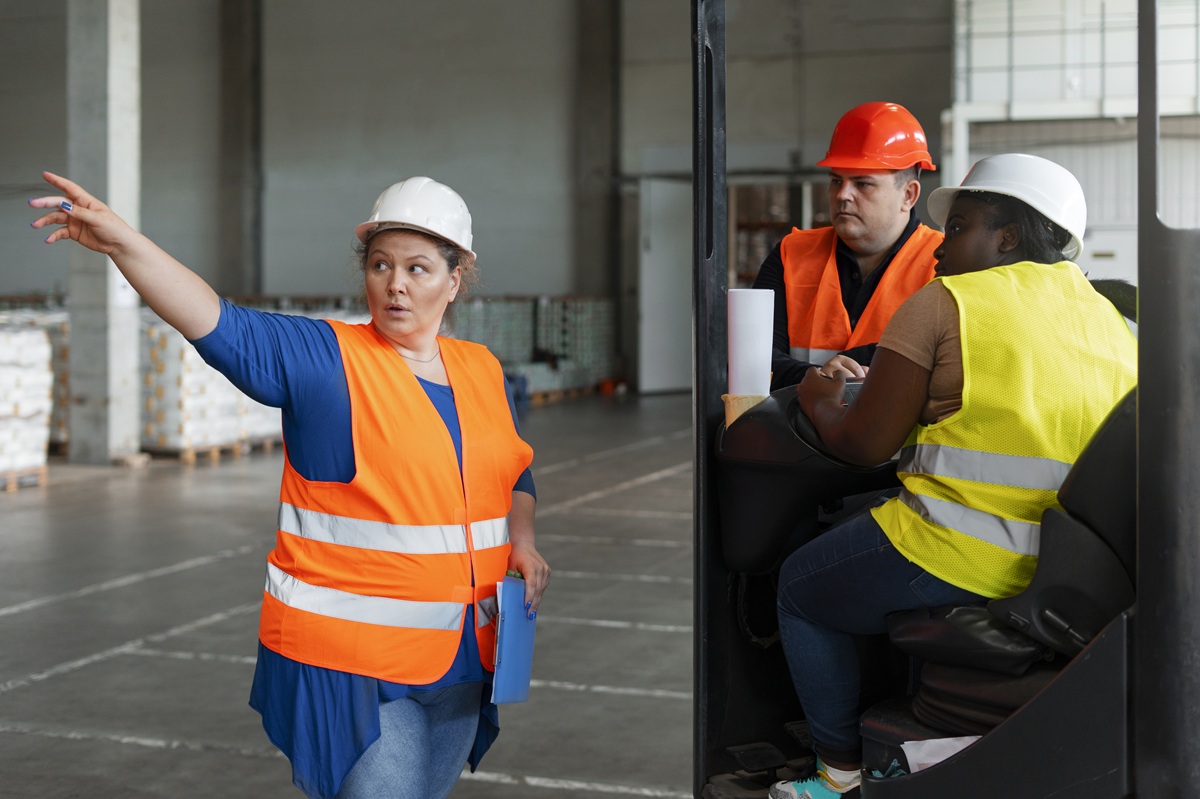
Clear communication saves lives in high-risk environments. Your training covers standard hand signals, radio protocols, and verbal commands used industry-wide. You’ll practise these until they’re second nature, so you can communicate effectively even in noisy environments or when wearing protective equipment.
Teamwork skills are equally crucial. Many high-risk operations require multiple licensed workers cooperating seamlessly. You’ll learn your role within these teams, understanding how your actions affect others’ safety. This includes knowing when to stop work if you spot dangers affecting teammates, even if it’s outside your direct responsibility.
How Much Does High Risk Work Licence Training Cost?
Additional expenses to budget for include the licence application fee (around $60-150 depending on your state), photos for your licence card, and potentially accommodation if you’re travelling to a training centre. Some courses require specific personal protective equipment (PPE) like steel-capped boots and high-vis clothing, which you might need to purchase.
Don’t forget indirect costs like lost wages if you’re taking unpaid leave for training, or travel expenses to and from the training venue. These hidden costs can add up, so factor them into your budget when planning your certification timeline.
Your Next Steps Towards HRWL Certification
High Risk Work Licence training represents more than just a certification—it’s an investment in your safety, career prospects, and professional development. The skills you’ll gain extend far beyond equipment operation, encompassing critical thinking, risk assessment, and emergency response capabilities that benefit every aspect of your working life.
The path to certification might seem daunting initially, but thousands of Australian workers successfully complete HRWL training every year. By choosing a reputable training provider, preparing thoroughly, and approaching assessment with confidence, you’ll join the ranks of qualified operators keeping Australian workplaces safe and productive. The combination of enhanced earning potential, job security, and comprehensive safety knowledge makes HRWL certification one of the best investments you can make in your career.
 Modern Aussi Designs
Leave a comment